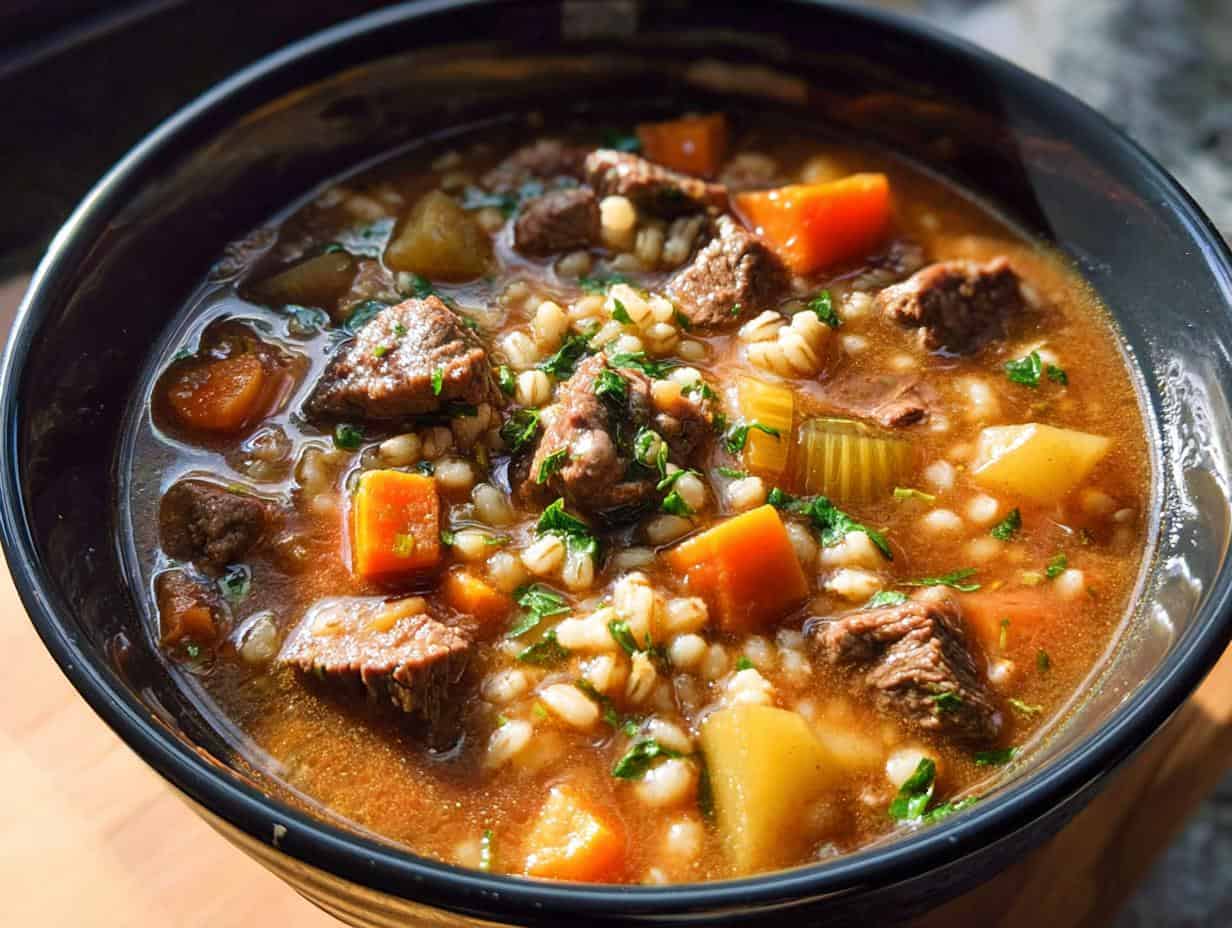
Stop Making Bland Soup: Secrets to Bistro-Quality Beef Barley
Are you tired of serving a bowl of beef barley soup that's just… okay? A soup that fills the stomach but leaves the soul yearning for more? You're not alone. Many home cooks struggle to achieve that rich, complex flavor and perfect texture found in a truly exceptional bowl of soup from a cozy bistro. But what if we told you the secrets to transforming your humble beef barley soup into a deeply satisfying, restaurant-worthy masterpiece are within your reach? Prepare to impress even the most discerning palates – perhaps even making your family refuse to order it out ever again!
This isn't just a recipe; it's an education in flavor building. Forget the "dump and simmer" approach that often leads to watery broth, tough beef, and mushy grains. We're going to dive into the techniques that chefs use to layer flavors, ensuring every spoonful of your homemade beef barley soup is hearty, comforting, and bursting with deliciousness. This is food for the soul, a complete meal that will warm you from the inside out, especially when paired with a crusty loaf of bread.
The Foundation of Flavor: Choosing and Searing Your Beef
The journey to an extraordinary beef barley soup begins with the star ingredient: the beef. Your choice of cut and how you prepare it are paramount to achieving that coveted fall-apart tenderness and deep, savory flavor.
For stewing beef, we strongly recommend cuts like
chuck roast or
short ribs. Not only are these options more economical, but their inherent marbling and connective tissues break down beautifully during slow cooking, rendering them melt-in-your-mouth tender. While trimming excess fat is good practice, don't be afraid to leave a little; it will melt into the broth, adding invaluable richness and flavor.
Now, for the absolute non-negotiable step:
searing the beef properly. This is where many home cooks falter, and it's the critical difference between bland and bistro-quality. Before searing, generously season your beef with salt and pepper, then lightly coat it in flour. This seemingly small step is a game-changer: the flour helps create a beautiful golden-brown crust, locks in the juices, and will later contribute to thickening your soup.
When searing, heat a good quality oil in your pot until shimmering. Crucially, sear the beef in batches. Overcrowding the pot will lower the temperature, causing the beef to steam rather than sear, resulting in grey, flavorless meat. We want a deep, caramelized crust on all sides – this is the Maillard reaction at work, building foundational flavor (or "fond") directly onto the bottom of your pot. Those browned bits are pure gold and will be vital for the next step. For a more in-depth look at this crucial technique, explore our article on
Master Beef Barley Soup: Sear, Deglaze, Simmer for Rich Flavor. Once seared, transfer the beef to a plate and set it aside.
Building Layers: Aromatics, Deglazing, and Depth
With your perfectly seared beef resting, it's time to build the aromatic layers that will define your soup's character. In the same pot (adding a touch more oil if needed), sauté your classic mirepoix: diced onions, carrots, and celery. Cook these for about 5-7 minutes until they soften and begin to sweeten, releasing their natural sugars. This gentle softening process is key to their flavor contribution.
Next, stir in minced garlic and your chosen dried herbs, such as oregano, thyme, or a bay leaf. Cook for just 30 seconds until the garlic becomes fragrant; be careful not to burn it, as burnt garlic turns bitter.
Now comes another crucial flavor enhancer:
tomato paste. Stir in a tablespoon or two of tomato paste and cook it for a minute or two, stirring constantly. This step, often overlooked, deepens its flavor, adding a concentrated umami richness that transforms the broth.
Finally, it's time to deglaze the pot. Those beautiful browned bits (the "fond") at the bottom of the pot are packed with flavor. Pour in a splash of liquid – beef broth, red wine, or even a dash of Worcestershire sauce – and scrape up all those flavorful bits with a wooden spoon. This liquid not only captures all that concentrated goodness but also adds its own layer of complexity. A good dry red wine will introduce tannins and fruity notes, while Worcestershire provides a savory tang. This strategic deglazing is a hallmark of truly great soups and stews.
The Perfect Chew: Mastering the Barley
No beef barley soup is complete without its namesake grain. The type of barley and when you add it significantly impact the soup's texture and thickness.
For the best results, opt for
pearl barley. Unlike hulled barley, pearl barley has had its outer husk and some of the bran removed, allowing it to soften beautifully as it cooks while still retaining a delightful, chewy texture. Avoid the common mistake of letting the barley turn to mush, which can result in a texture reminiscent of overcooked oatmeal.
One common question is whether to rinse the barley. For this soup, we actually recommend against it. The starch released by unrinsed barley acts as a natural thickener, contributing to that desirable cozy, hearty consistency.
Add the pearl barley to the pot along with the seared beef, followed by your beef broth (and any additional liquid like water or stock). Bring the soup to a gentle simmer, ensuring there’s enough liquid to cover all ingredients generously. As the soup simmers, the barley will slowly absorb the flavorful broth and expand. Keep an eye on the consistency; barley is incredibly absorbent. If your soup thickens more than you prefer, simply add more broth or water until it reaches your desired consistency. This flexibility allows you to customize the soup to your liking, whether you prefer it thick and stew-like or a bit more brothy.
Simmering to Perfection: The Art of Patience
With all the foundational elements in the pot, the final secret to bistro-quality beef barley soup is perhaps the simplest, yet often the hardest to master: patience.
This is a dish that thrives on a long, slow simmer. Once all your ingredients are combined and brought to a gentle boil, reduce the heat to low, cover the pot, and let it leisurely simmer for at least 1.5 to 2 hours, or even longer. During this time, the magic happens:
* The stewing beef, which you so carefully seared, will slowly break down, becoming incredibly tender and juicy. The collagen melts, transforming tough fibers into succulent, fall-apart morsels.
* The barley will continue to cook, absorbing the rich flavors of the broth and contributing its wholesome chewiness.
* All the layers of flavor you meticulously built – from the seared beef and caramelized tomato paste to the aromatics and deglazed fond – will meld and deepen, creating a harmonious and complex broth that tastes like it's been simmering for days.
Towards the end of the cooking time, taste your soup and adjust the seasonings. You might need a final pinch of salt, a grind of black pepper, or perhaps a dash of your favorite herb. Remember, seasoning is a journey, not a one-time event. For more details on achieving that perfect texture and taste, delve into our guide:
Fall-Apart Beef & Chewy Barley: The Ultimate Cozy One-Pot Meal.
Beyond the Bowl: Serving and Leftovers
When your beef barley soup has simmered to perfection, with the beef falling apart and the barley offering that ideal chew, it's time to serve. Ladle generous portions into bowls and consider garnishing with fresh parsley or thyme for a burst of color and herbaceous freshness. A dollop of crème fraîche or sour cream can also add a delightful creamy tang, elevating it further to true bistro elegance.
And what to serve alongside? A thick slice of warm, crusty bread is non-negotiable. It’s perfect for soaking up every last drop of that rich, flavorful broth, turning this hearty soup into an even more substantial and satisfying meal.
One of the greatest joys of homemade beef barley soup is that it tastes even better the next day. The flavors continue to meld and deepen as it rests. It's an ideal make-ahead meal for busy weeknights. Store any leftovers in an airtight container in the refrigerator for up to 3-4 days. If the soup has thickened considerably due to the barley absorbing more liquid, simply add a splash of broth or water when reheating to achieve your desired consistency. It also freezes beautifully for up to 3 months, making it an excellent candidate for meal prepping.
Conclusion
You now possess the secrets to transforming your homemade beef barley soup from an everyday dish into a bistro-quality culinary experience. By understanding the 'why' behind each technique – from the crucial sear of the beef and the strategic layering of aromatics to the patience of a slow simmer and the careful management of barley – you're not just following a recipe; you're truly cooking like a chef. Embrace these principles, and prepare to elevate your home kitchen to new heights of flavor and comfort. Your family, friends, and even you yourself, will thank you for making beef barley soup that truly stands out.