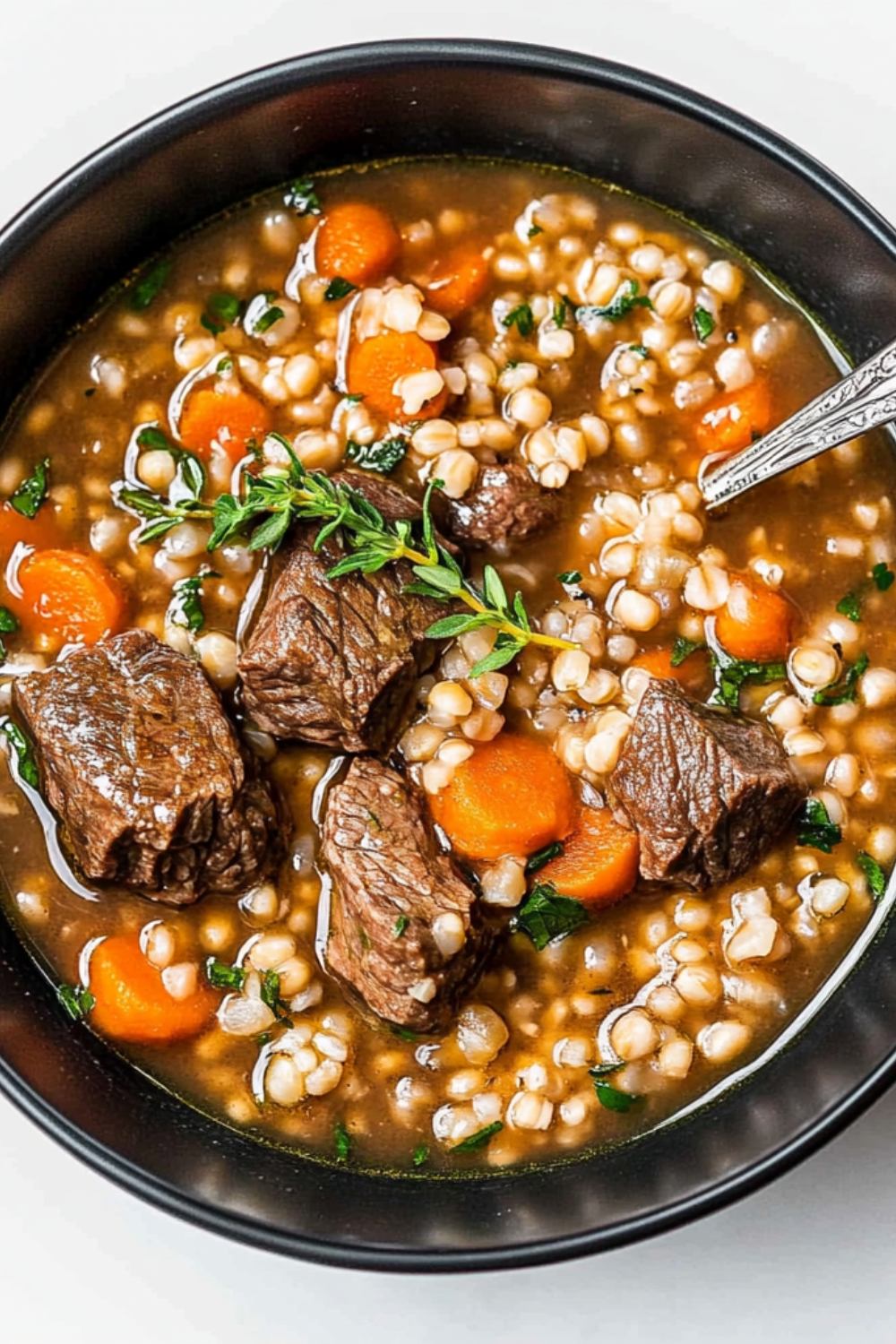
Master Beef Barley Soup: Sear, Deglaze, Simmer for Rich Flavor
There's a reason beef barley soup holds a cherished spot in culinary traditions worldwide. It’s more than just a dish; it’s a bowl of pure comfort, a hearty meal that warms you from the inside out, especially as the days grow shorter and the air turns crisp. But not all beef barley soups are created equal. You’ve likely encountered versions that are bland, watery, or feature uninspired ingredients. The secret to transforming this classic from simply "good" to "unforgettable" lies in a few fundamental chef's techniques: the masterful sear, the crucial deglaze, and the patient simmer. These steps aren't just about cooking; they're about building an incredible depth of flavor that will make you – and anyone you serve – fall in love with homemade beef barley soup.
Imagine tender, fall-apart beef, perfectly chewy pearl barley, and a rich, deeply savory broth brimming with wholesome vegetables. This isn't just a fantasy; it's entirely achievable in your own kitchen with the right approach. Forget the "dump and simmer" method that often leads to disappointment. Instead, embrace the layering of flavors championed by culinary experts, ensuring every spoonful tastes like it came straight from a gourmet bistro. This comprehensive guide will walk you through each critical step, ensuring your next pot of
beef barley soup achieves that elusive, restaurant-quality standard.
The Foundation of Flavor: Mastering the Sear and Deglaze
The journey to an extraordinary beef barley soup begins long before the broth comes into play. It starts with building a robust flavor foundation, and that means paying meticulous attention to two vital steps: searing the beef and deglazing the pot.
The Art of the Sear
Searing isn't just about browning meat; it's about initiating the Maillard reaction – a complex chemical process that creates hundreds of new flavor compounds, giving your beef that irresistible savory depth and golden crust. Without a proper sear, your beef can end up grey, anemic, and lacking in character, contributing little to the overall flavor of your soup.
Here's how to master it:
- Prepare the Beef: Start by trimming most, but not all, of the excess fat from your beef. A little fat goes a long way in adding richness to the broth. Season the beef generously with salt and freshly cracked black pepper. This is your primary opportunity to infuse flavor directly into the meat.
- Flour Power: Lightly dredge your beef pieces in a small amount of all-purpose flour. This crucial step serves multiple purposes: it helps create a beautiful golden-brown crust during searing, locks in the beef's natural juices, and provides starch that will later help to subtly thicken your soup.
- Hot Pan, Small Batches: Heat a heavy-bottomed pot or Dutch oven over medium-high heat. Add a tablespoon or two of high-smoke-point oil (like canola or grapeseed). Once the oil shimmers, add the floured beef in batches. This is paramount! Crowding the pot will drop the temperature, causing the beef to steam rather than sear, resulting in a soggy exterior and lackluster flavor. Give each piece ample space to develop that deep, caramelized crust.
- Patience is Key: Allow the beef to sear undisturbed for several minutes per side until a rich, dark brown crust forms. Resist the urge to poke or prod it too soon. Once seared, transfer the beef to a plate and set it aside. Don't worry if you need to add a bit more oil between batches.
The Magic of Deglazing
After searing, you'll notice those delicious brown bits stuck to the bottom of your pot. This "fond" is pure flavor gold – concentrated essence from your beef that would be a tragedy to leave behind. Deglazing unlocks this treasure.
- Introduce Aromatics: If needed, add a touch more oil to the pot. Then, add your foundational vegetables: chopped onions, carrots, and celery (often called mirepoix). Sauté these until they begin to soften, usually about 5-7 minutes.
- Garlic and Tomato Paste: Stir in minced garlic and a spoonful of tomato paste. Cook for another minute, stirring constantly, until the garlic is fragrant and the tomato paste deepens in color. The tomato paste adds incredible umami and depth, acting as a natural thickener and flavor enhancer.
- The Liquid Liberator: Now for the deglaze! Pour in a splash of liquid. While water works, this is a prime opportunity to elevate your soup's profile. A dry red wine (like Cabernet Sauvignon or Merlot) or even a dash of Worcestershire sauce adds complex notes that transform the broth. Use a wooden spoon to scrape up all those browned bits from the bottom of the pot, dissolving them into the liquid. This process enriches your soup with a depth of flavor that simply can't be achieved by merely adding broth later.
Choosing Your Stars: Beef, Barley, and Beyond
The quality of your ingredients, particularly the beef and barley, significantly impacts the final outcome of your soup. Making smart choices here ensures your efforts in searing and deglazing pay off.
The Perfect Cut of Beef
For
fall-apart beef in your beef barley soup, selecting the right cut is paramount. You need beef that can withstand and benefit from long, slow simmering.
- Stewing Beef: This is often a pre-cut, economical option, typically from cuts like chuck. Its marbling and connective tissue break down beautifully during simmering, becoming incredibly tender and flavorful.
- Chuck Roast: If you prefer to cut your own, a chuck roast is an excellent choice. It’s highly marbled and develops a rich, beefy flavor and melt-in-your-mouth texture when slow-cooked.
- Short Ribs: For an even richer, more luxurious broth, bone-in short ribs are a fantastic (though slightly more expensive) option. The bones contribute extra collagen and flavor to the broth.
Regardless of the cut, remember that patience is a virtue. The longer your beef simmers, the more tender it will become.
The Wonder of Barley
Barley is the unsung hero of this soup, providing a delightful chewiness and hearty substance.
- Pearl Barley: This is the recommended choice for beef barley soup. Pearl barley has had its outer husk and bran removed, meaning it cooks faster than hulled barley and softens nicely while still retaining a pleasant chew. It also releases starches as it cooks, which naturally helps to thicken the soup to a wonderfully cozy consistency. There's no need to rinse pearl barley before adding it to the pot.
- Adjusting Consistency: As pearl barley cooks, it absorbs a significant amount of liquid. Don't be afraid to add more broth or water during simmering if your soup becomes too thick for your liking. The thickness is a matter of personal preference.
Building Layers: The Simmer and Veggie Symphony
With your beef seared, the fond deglazed, and your key ingredients ready, it’s time to bring everything together for the long, slow simmer that transforms individual components into a cohesive, deeply flavorful soup.
Once your vegetables are softened and your pot is deglazed, return the seared beef and any accumulated juices from the plate to the pot. Pour in your beef broth (preferably low-sodium to control seasoning) until the beef and vegetables are mostly submerged. Add any additional aromatics or herbs you desire – a bay leaf, a sprig of fresh thyme, or a dash of dried oregano can enhance the broth's complexity.
Bring the soup to a gentle simmer, then reduce the heat to low, cover the pot, and let it cook. This is where the magic truly happens. For the beef to become fall-apart tender, it needs time – typically 1.5 to 2 hours, or even longer depending on the cut and size of your beef pieces. During this period, the flavors meld, the beef slowly breaks down, and the broth becomes incredibly rich.
About 30-45 minutes before you anticipate serving, add the pearl barley to the pot. Adding it too early can result in overly soft, mushy barley, which is precisely what we want to avoid for that perfect chewy texture. At this point, you can also add any other vegetables you prefer, such as diced potatoes, chopped kale, or frozen peas, adjusting the timing based on their cooking needs. Taste and adjust your seasonings – salt, pepper, and perhaps a dash of soy sauce or more Worcestershire for an extra umami kick – as the soup finishes cooking.
Tips for Perfection: Troubleshooting and Next-Level Flavor
Achieving beef barley soup perfection often comes down to attention to detail and a few clever tricks.
- Don't Rush the Simmer: The most common mistake is impatience. Trust the process. Low and slow is the mantra for tender beef and deeply developed flavors.
- Boost Umami: Beyond tomato paste and Worcestershire, consider a pinch of MSG, a dried mushroom, or a dash of fish sauce to deepen savory notes without adding a distinct flavor of their own.
- Fresh Herbs at the End: Stir in fresh parsley or chives just before serving for a vibrant burst of color and fresh flavor that brightens the rich soup.
- Leftovers are Gold: Beef barley soup often tastes even better the next day as the flavors continue to meld and deepen. Store leftovers in an airtight container in the refrigerator for up to 3-4 days. You may need to add a splash of broth or water when reheating, as the barley will continue to absorb liquid.
- Serving Suggestion: This hearty soup is a meal in itself, but it truly shines when served with a loaf of crusty bread for dipping and soaking up every last drop of that glorious broth.
Why This Isn't Just Soup – It's a Culinary Experience
Making beef barley soup the "chef's way" – with a focus on searing, deglazing, and patient simmering – transforms it from a simple meal into a true culinary experience. It’s the difference between a quick weeknight dinner and a soulful bowl that nourishes both body and spirit. By understanding the "why" behind each technique, you gain confidence and skill, not just for this recipe, but for countless others. So next time you're craving comfort, gather your ingredients, follow these steps, and prepare to master a beef barley soup so rich, so satisfying, it might just become your household's new favorite.